Growing cut flowers is for a gardener who has the heart to grow something beautiful, only to cut its life short to bring its loveliness indoors. Anyone can grow cut flowers, but not everyone cut their flowers.
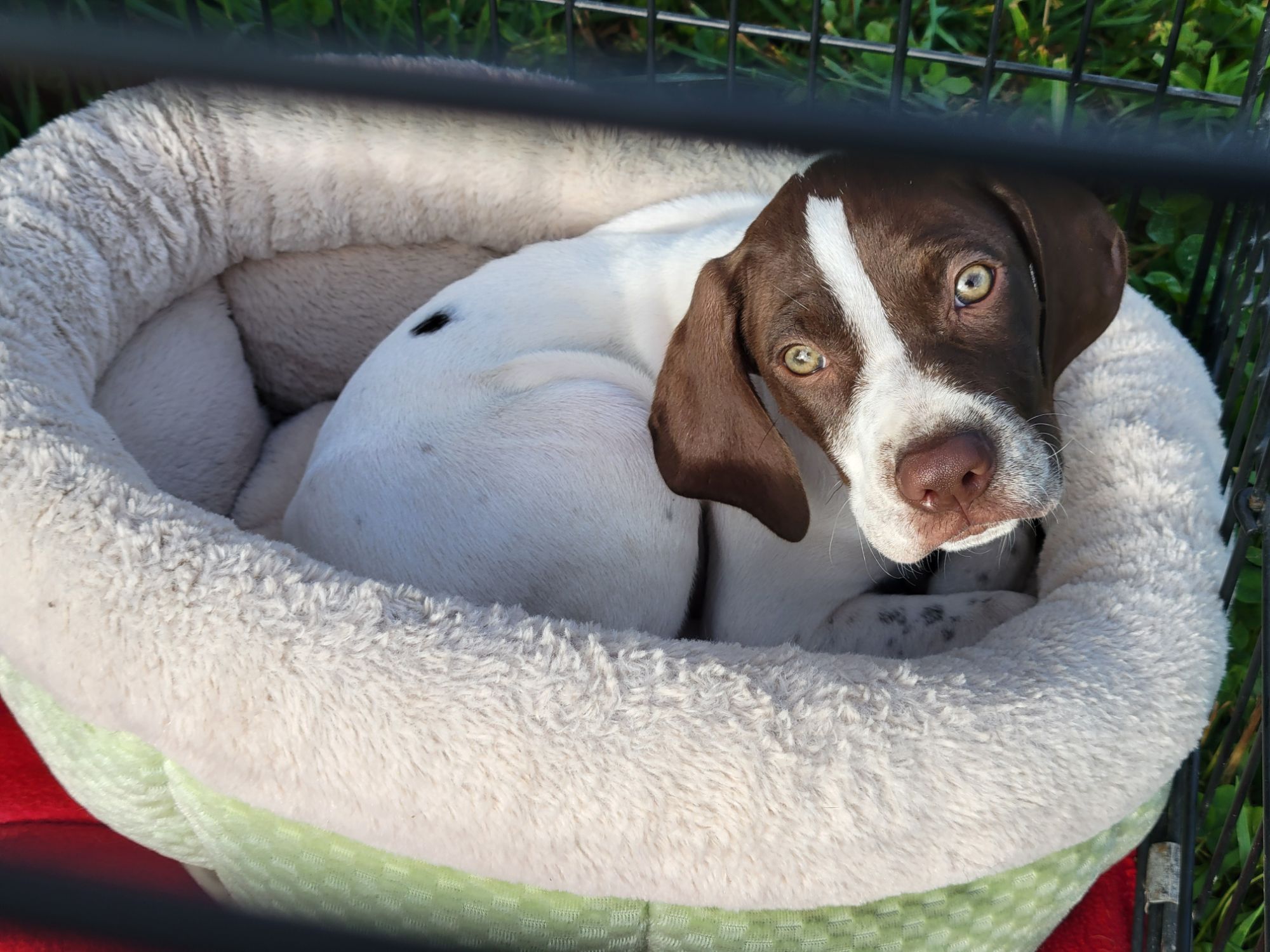
My grandmother never cut her flowers. I broke the rules and did, once I started growing flowers myself. Both of us could enjoy the bountiful beauty of these blooms. Her yard was full of rhododendrons, gladiolas, and lilacs when I was young. An old photograph shows her standing with her young kids next to the house they built with her strawflowers. Evenings at the farm’s garden with sunflowers, tomatoes, and my grandmother transformed into evenings with sunflowers, too many flowers to count, and my woofers.

Sometimes growing plants in the garden isn’t about the plants, but who it connects one to another- and continues to connect one to. When I see strawflowers, I think of my husband as he loves their papery texture. When I see Sweet William, I’m reminded of the last bouquet I made my grandmother with the biennial sweet William from the ol’ farmhouse. When I see peonies, I’m reminded of the first flowers my mom let me pick and make bouquets from. My cut flower garden connects me to the flowers and my folks.

Why Grow Cut Flowers from Seed
When I started growing cut flowers from seed, I thought this was something standard that every cut flower farmer and gardener began their seasons with. Little did I know of buying plugs, small plants that need potted up into a larger cell.
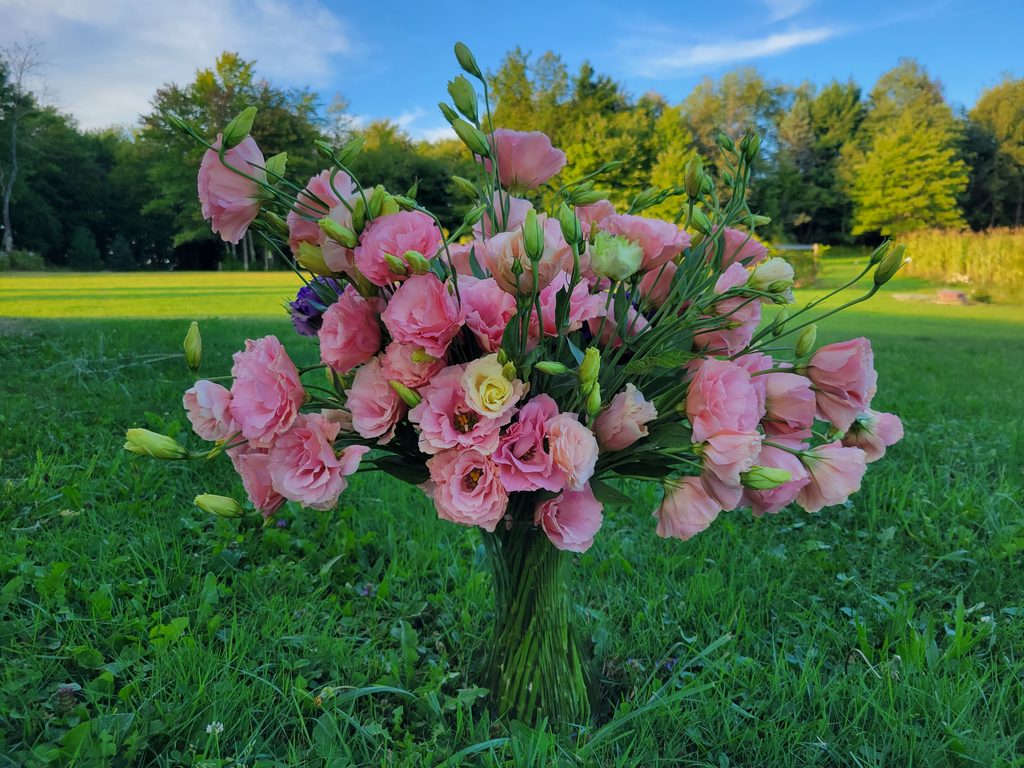
Some seeds I struggle with starting from seed and am on the verge of purchasing as plugs- lisianthus, echinacea, eucalyptus, lace flower, etc. Plugs can be expensive, especially when ordering over 100 or 200 at a time of the same variety or seed.
For a small cut flower garden, more variety in colors or structure makes the garden and bouquets beautiful. Sunflowers. Zinnias. Marigolds. Snapdragons. Sweet William. Rudbeckia. Seeds are cheaper compared to plugs. Some need started indoors while others need started directly in the soil. As long as a grower is willing to invest their time and energy into learning how to grow cut flowers from seed, it will be worth every beautiful stem they enjoy and harvest.

Beginning Your Cut Flower Garden in 3 Easy Steps
- Select Flower Varieties
- Where to Order Cut Flowers
- Where to Plant Flower Beds
Select Flower Varieties
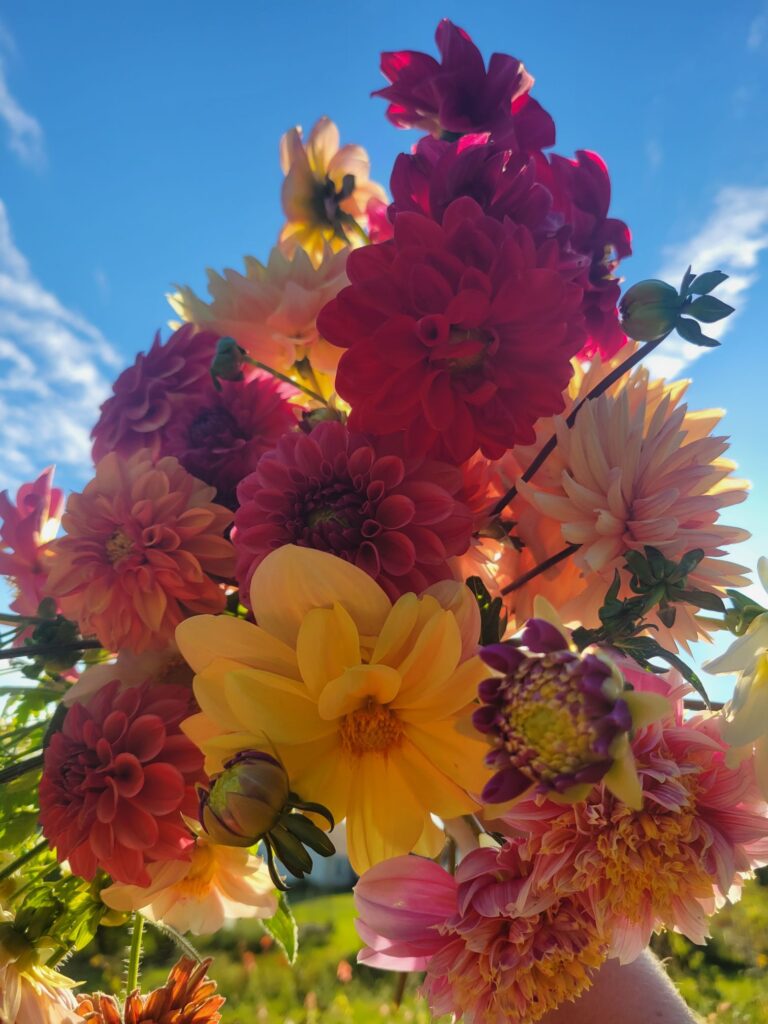
When I began thinking of selling flowers from my garden, I was growing gladiola, lilies, dahlias, iris, peonies, and marigolds- really all these flowers from bulbs, roots, and tubers, except for my beloved marigolds.
Then the seed catalogs came . . . Baker Creek. Johnny’s Select Seed. And I wanted ALL the flowers they offered. So, I invested in my long time favorites of zinnias, stunning annual phlox, poppies, and my everlasting Henry Wilde sunflowers.

After half a decade growing cut flowers in my backyard, I discovered that these two gardening seasons joined together. I need my dahlias and my glads, while also needing all my flowers I started from seed, in order to build my backyard garden and my bouquets.
Let’s go over my eight categories of cut flowers that I grow every year, including ones starting from seed.
Cool Flower Annuals
Cool annual flowers handle the cooler temperatures in early spring and early fall; they’re hardier and outlast other typical garden flowers. Some include snapdragons, sweet William, feverfew, rudbeckia, and calendula. Most of these flowers will need to be started indoors. On the other hand, some of these will act as tender perennials where they are supposed to die in the winter, but they survive and flourish the following year.

Warm Season Annuals
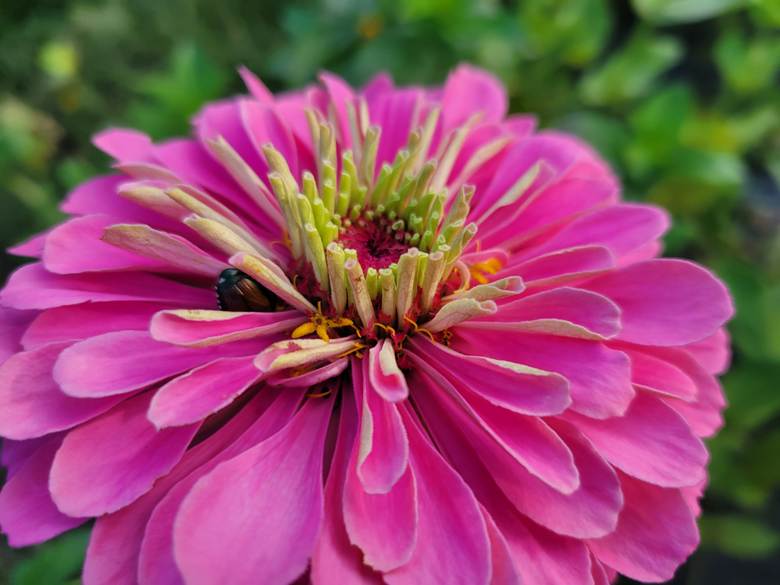
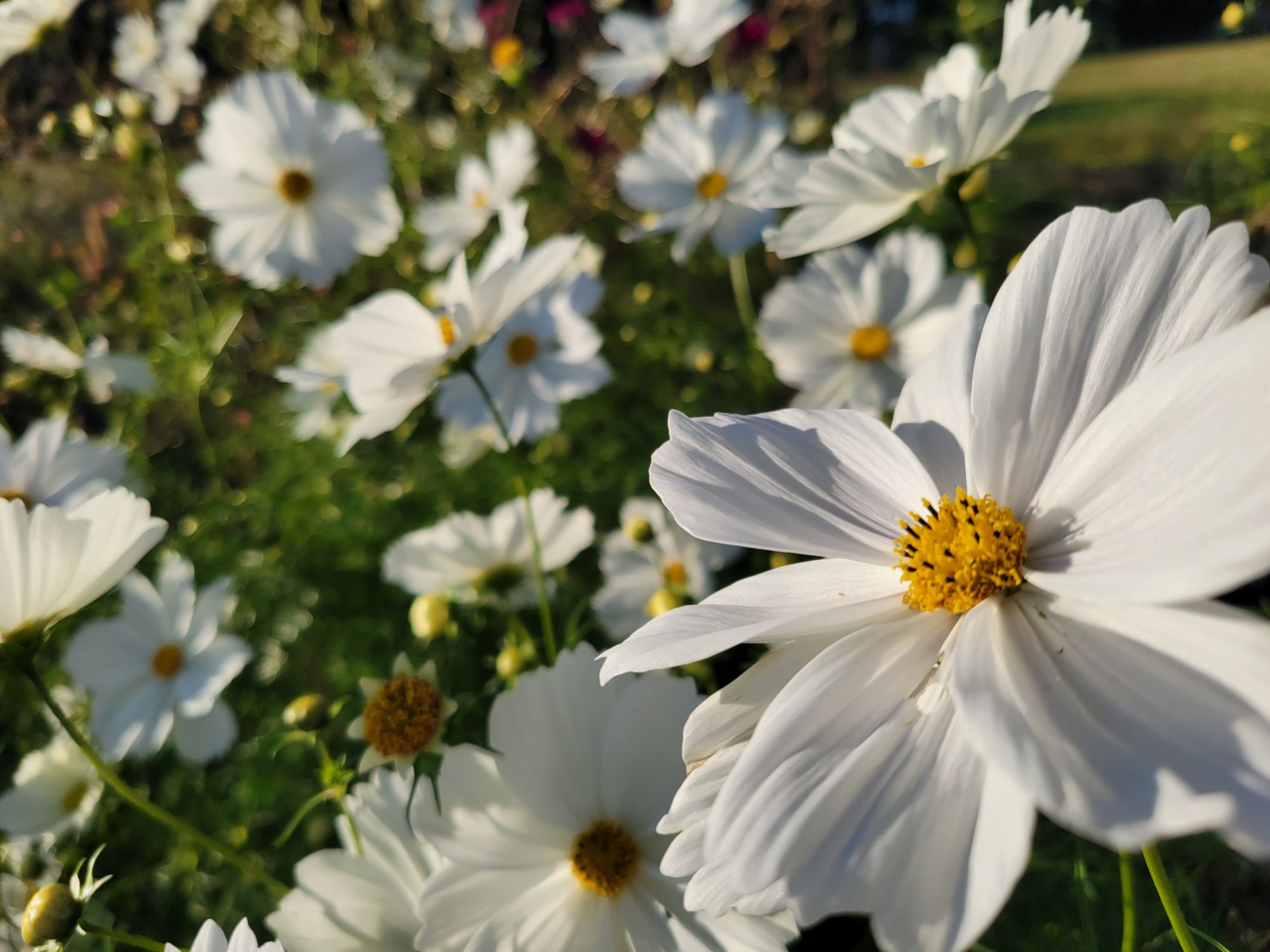
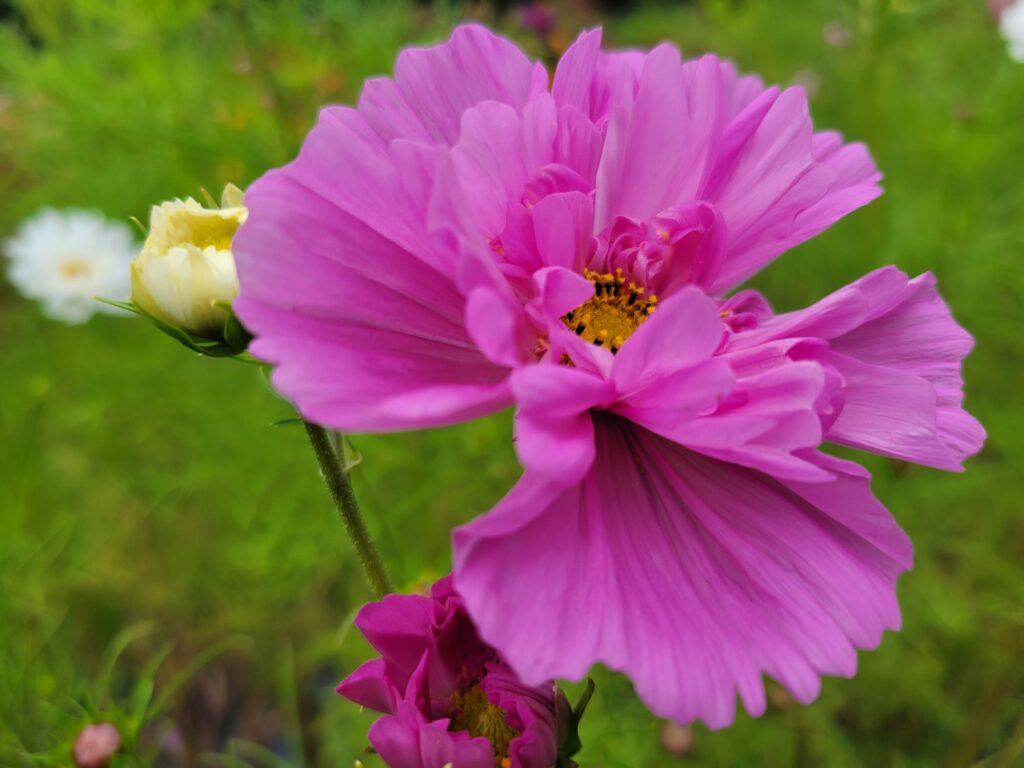
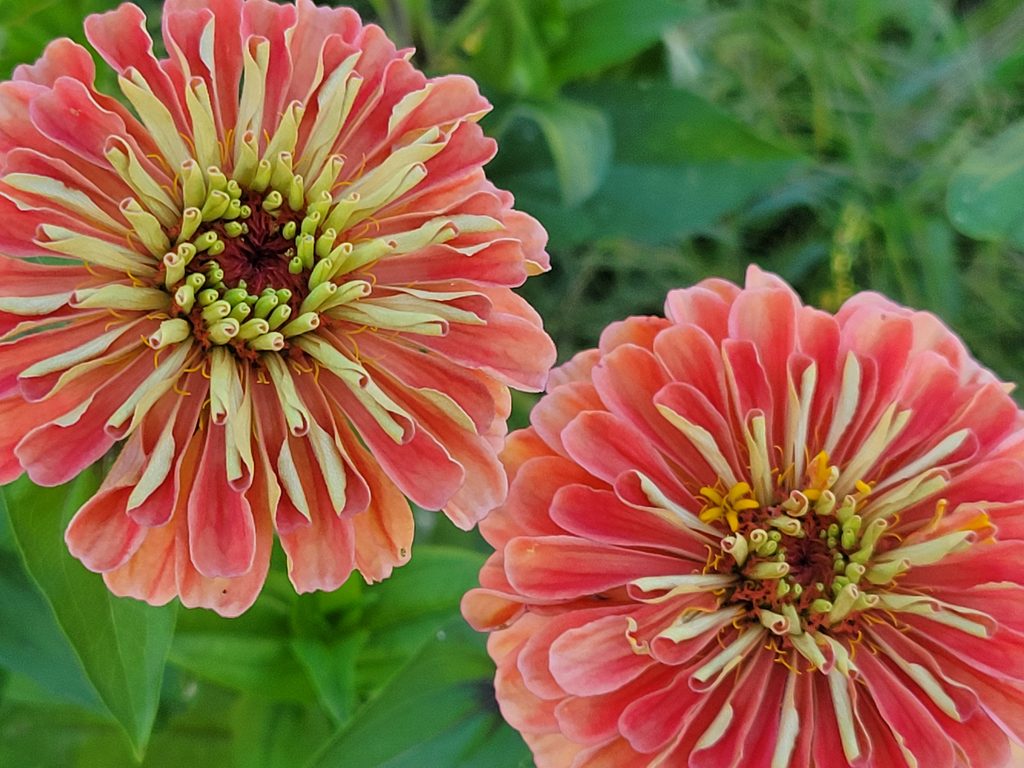
Warm season annual flowers thrive in the hotter summer days. For the most part, they can only be planted once the last spring frost has passed to be on the safe side. These include zinnias, sunflowers, marigolds, basil, cosmos, and China asters. They are some of the easiest flowers to grow and most will do amazing direct sown into the soil.

Tender Perennials
Annuals that tend to die over winter sometimes survive and come back. One won’t see that with zinnias or marigolds in my Pennsylvania garden, but annual rudbeckia, feverfew, and a few other cool hardy annuals sure will.

Biennials
Biennials are a mix of annuals and perennials. These plants take the first year to grow their leaves and greenery, establishing themselves into the soil. The second year is their year to produce flowers and seeds. Sweet William, foxglove, and hollyhocks are some example biennial flowers.

Seed Perennials
What is more fun than having the largest stems from the smallest starts? Shasta daisies, perennial rudbeckia, echinacea, and perennial lupine are perennials that have their start as seeds. Shasta daisies are so fun to grow, but beware a few plugs can lead to flower beds flooded with these tall blooms.

Bulbs, Roots, Tubers, and More
Daffodil and tulip bulbs, peony roots, iris rhizomes, and more perennials rest over the winter months, bloom in the spring, and recharge in the fall. Dahlia tubers in northern climates are dug up, stored inside, and replanted in the spring. All these perennials will continue to bloom, reproduce, and sometimes will need to be moved to new locations. The stems are sturdy and handle the delicate, yet large blooms.

Flowering Bushes
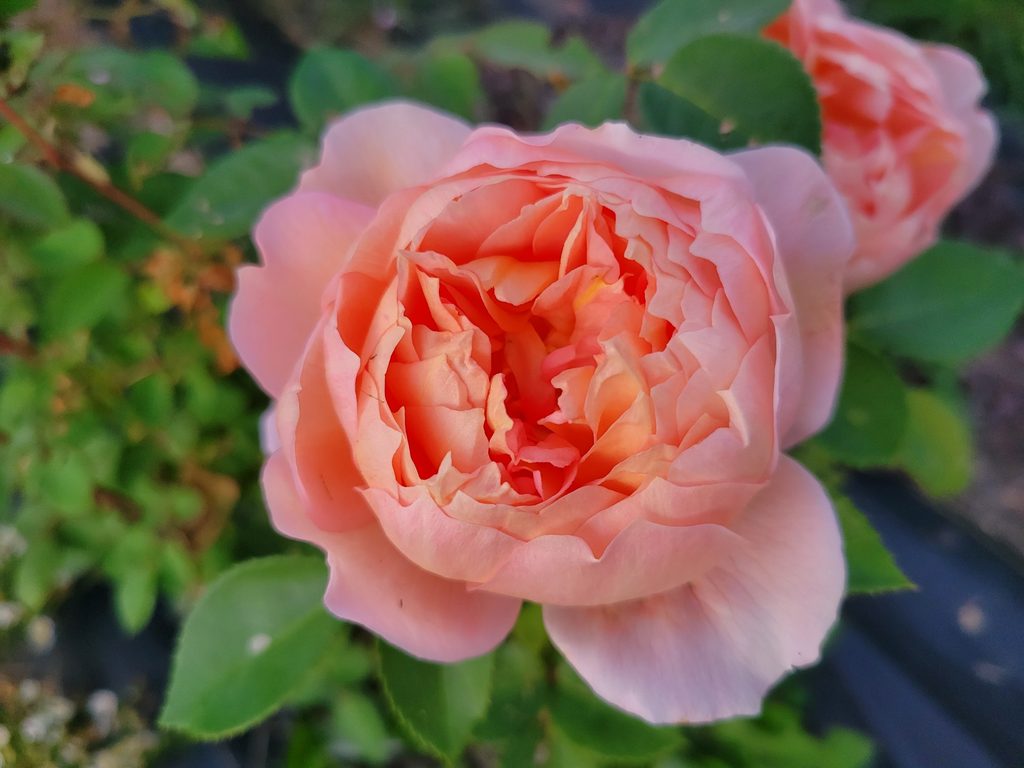
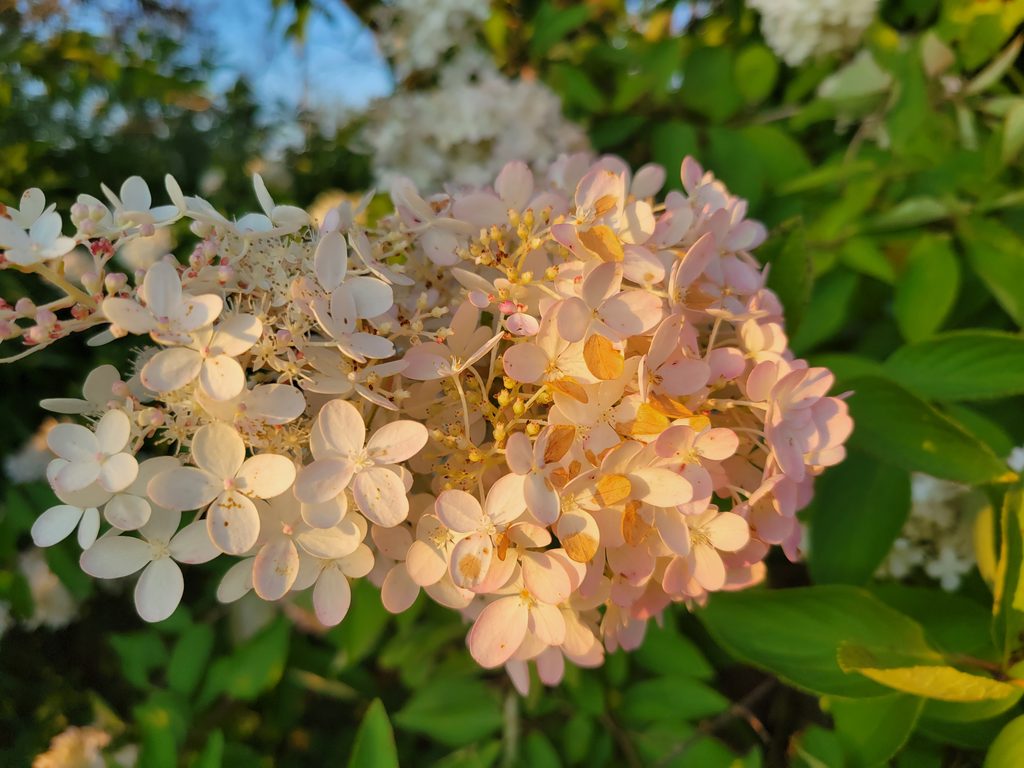
By far the most glamorous, yet sometimes the most particular plants- hydrangeas, roses, and rhododendrons bring forth beautiful blooms every season. Roses offer soft colors and beautiful scents, but harsh winters can wipe them out. Hydrangeas offer beautiful heads of florets in white, blues, and pinks, and yet need to have the right lighting to make it work. Rhododendrons have massive azalea type blooms, and yet are tricky to harvest and keep beautiful in a bouquet.

Volunteer Flowers
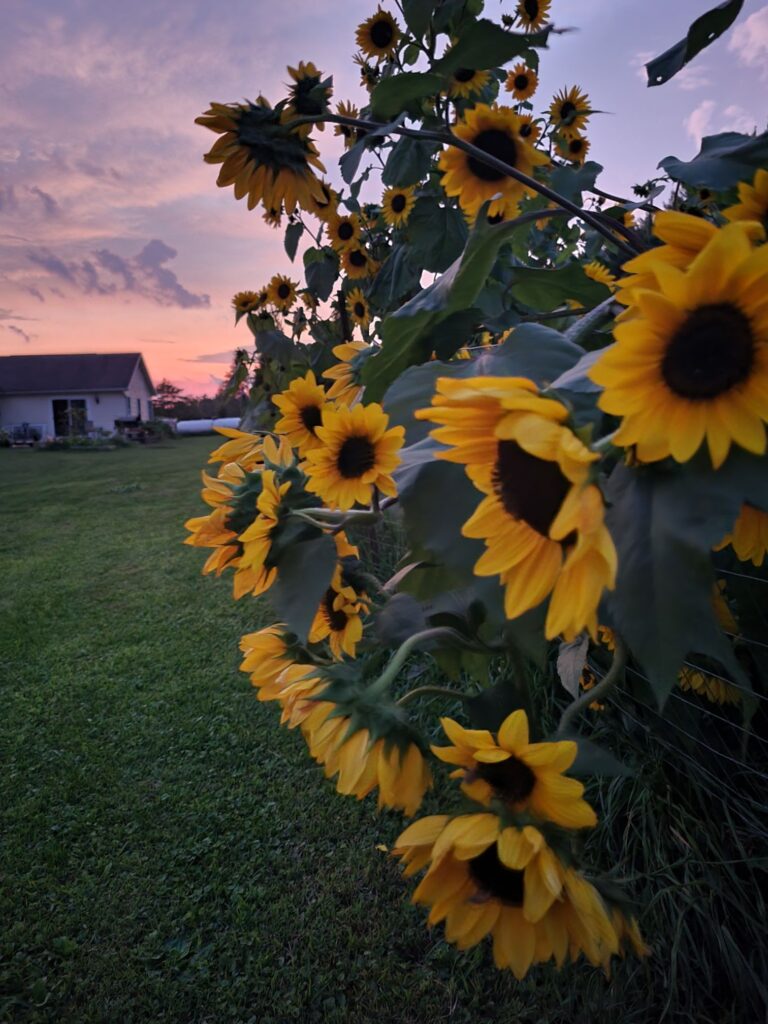
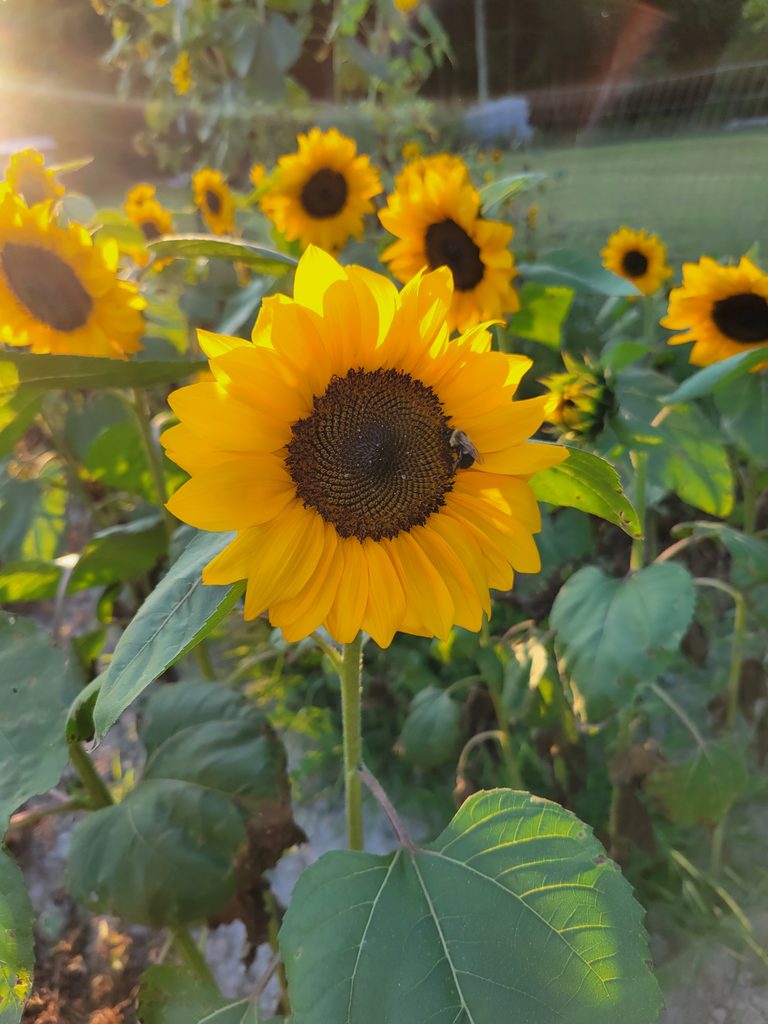
Some heirloom seeds reseed themselves every year. And even when the winter months are harsh enough that they are suppose to kill off any fallen seeds, a few seeds still survive. Henry Wilde sunflowers are in bloom in my garden every year, except I haven’t planted them since the first season, five years ago from 2026. Heirloom petunias can grow as tall as a cut flower and they will reseed themselves as well.
Tender perennials are similar, but they come back from the roots and any leftover greenery. One winter, my annual rudbeckia, feverfew, sweet William, and yarrow all came back healthy and thriving.
Where to Order Cut Flowers
Not every seed catalog provides the same quality of seeds, let alone the same cost, shipping, and variety. Here are my favorite seed companies to order cut flower seeds from.

Johnny’s Select Seeds
These are some of the highest quality cut flower seeds. Best variety in various colors. Countless varieties of flowers to grow and trial. Some flower seeds that I specifically buy from here that I can find nowhere else are feverfew, lisianthus, eucalyptus, and Amazon series Sweet William.
Johnny’s offers free shipping when spending $200, but they also have bedding flower seeds, vegetable seeds, and more.
Additionally, they offer tools, equipment, landscape fabric, and other gardener’s supplies.
Baker Creek Heirloom Seeds
If you want plants to produce seeds to volunteer the following year, heirloom seeds are some of the most vivacious plants I’ve ever grown. Henry Wilde sunflowers, volunteer every year. Heirloom balcony mix petunias are another flower that continues to reseed every year, when it really should be killed by the winter months.
Baker Creek offers free shipping on any and all seed packets, which is awesome when later in the season you remember about a certain seed variety you forgot about during planning season.
Interested in heirloom seeds to begin with? Consider buying their whole seed catalog with the histories of the seeds and where they come from. Lest not forget about all their gorgeous photographs of their flowers and vegetables!!!
MI Gardener
This company wants to make gardening affordable! $2.00 packets of seeds! Free shipping after spending $20! And healthy, good quality seeds as well!
The selection of cut flower seeds is not unlimited, but they do offer smaller packs of select colors.
To boost, MI Gardener has its blog and YouTube channel to help new gardeners grow the backyard paradise of their dreams.
Botanical Interests
Supported by Epic Gardening and Flower Hill Farm, Botanical Interest offers such an array of cut flowers and vegetables for the gardener. Seeds are relatively less expensive than other companies, but what makes their seed packets signature is their beautiful artwork!
Free shipping is available after spending a certain amount.
Where to Plant Flower Beds
Cut flowers can be grown in an array of locations. Main garden spaces, raised beds, containers, flower beds by the house, companion planted between the vegetables. What it comes down to is what are your needs, your wants, and the area that you have to work with.

Cut Flower Field
This is the most typical option, the fields of cut flowers to walk through in the mornings and evenings, while leaving with a bouquet in hand or a bucket of stems in an armload. Cut flower plants can either be started as seeds or transplants. It is very advisable to use landscape fabric or another weed barrier method to keep weeds at bay.
Raised Beds
I love using raised beds for flowers next to the house, but also for more delicate blooms that I want to keep an eye on even more. Remember to feed the soil with compost or manure as well as fertilizer. Keep water consistent, especially in dry spells.
Container Gardens
When using containers for growing cut flowers, do make sure it is one that is large enough for some hefty roots. Cut flowers can be grown as landscape flowers in a container garden. My personal preference would be to never cut those flowers, but if I was living at my apartment again where I had a deck only, I would grow them in the containers and then cut sparingly to have both the landscape flowers on the deck, but a bouquet indoors.
Flower Beds
Cut flowers are beautiful. And their beauty is like a siren’s call- it lures us to them, but being lured, it is like an impulse to just harvest their stem and bring their beauty indoors.
Every year, I tell myself I need to plant zinnias and other cut flowers in my front garden beds. Our house is far from the road, so a patch of cut flowers 3’ tall would have more impact than 6” tall petunias or superbells.
And why not? Why not plant cut flowers to enjoy as field cuts and then enjoy them in other areas as well where most are left alone to enjoy while sitting on a front porch or eating supper on the back deck?
Vegetable Garden
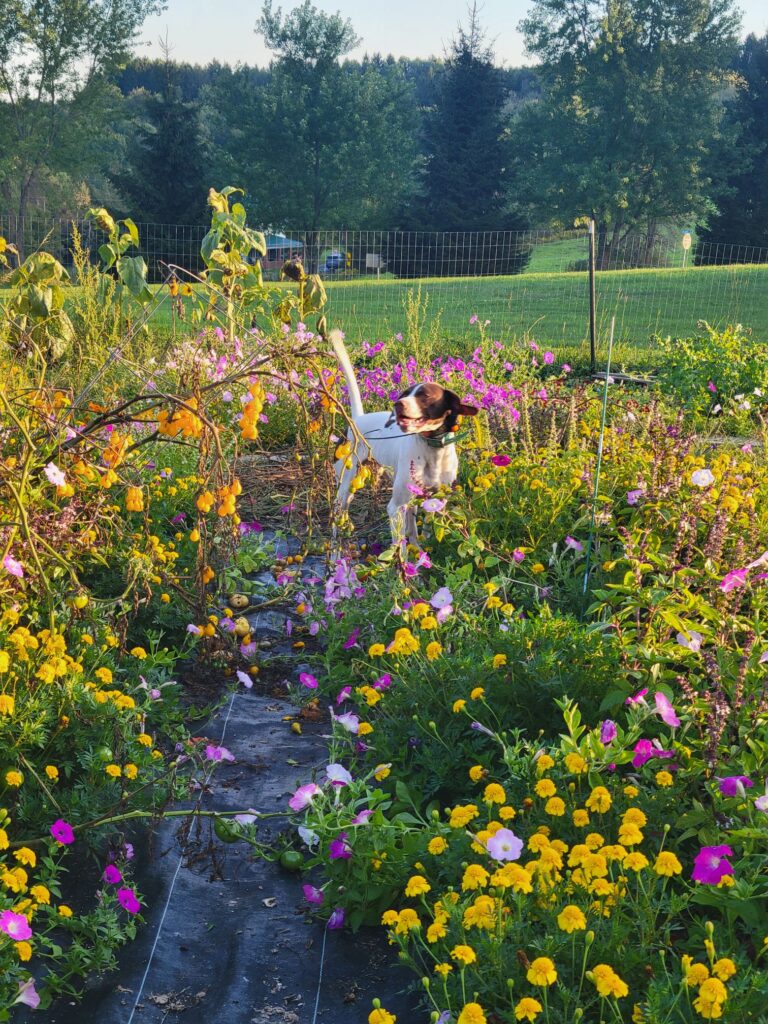
I think this is where growing cut flowers is taking me, in a way. I love my micro fields of zinnias, sunflowers, and cosmos, and yet I understand the benefits of growing these flowers in my vegetable garden, not just right beside it.
Companion planting to benefit both the flowers and the vegetables, but also it adds color and beauty to where the vegetables are growing, rather than a blanket of green.
Create Beauty.
Cut flowers are one of my most favorite categories of flowers to grow with their long stems that work both in the landscape and in a bouquet in my dining room. I find too many of the flowers are absolutely stunning to just choose one as my all-time favorite. Just grow all of your favorites to make your garden beautiful!
Happy growing! 😊
Continue Reading
| How to Start Cut Flowers from Seed | How to Care for Flower Seedlings Indoors | How to Transplant Cut Flower Seedlings |
Leave a Reply